

SPRING 2025
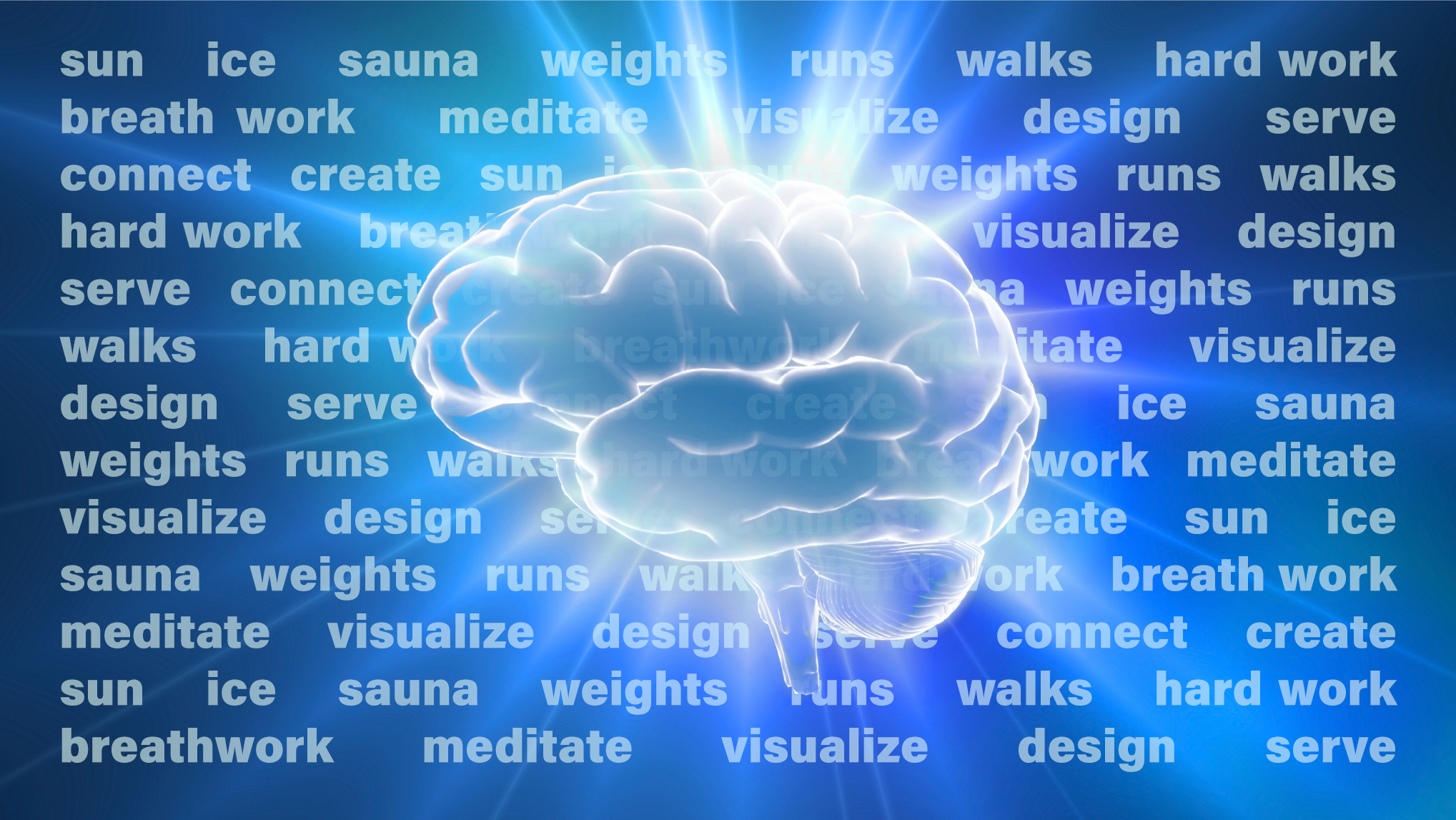
Choose Real Dopamine
Phew! OK. Are we still breathing?
It’s been three months since the last issue of Creatively Speaking and Wow! OK, how ’bout them Eagles?
It’s been a pretty intense few months, and if you’re anything like me, it’s been hard to look away, right? And maybe you’re feeling a little over-stimulated, a little off-focus. Some of us are leaning into the dark side more often and feeling anxious, irritable, or depressed.

There’s a reason for this, and it might not be exactly what you think. The current chaotic state of affairs is asking us to be more alert, to pay more attention to what’s happening in the world. That alone is enough to kick in our fight-or-flight response. Then add in a layer of technology — constantly checking headlines, reading to stay informed, scrolling social media, keeping engaged with each other on our devices — and we’re literally flooding our system with both adrenaline and dopamine.
We are JACKED UP — can you feel it?

For me, it’s taking the shape of being a little attention-deficity, not super creative, tired, and a bit obsessed with Tony’s Chocolonely milk chocolate bars.
I’ve been thinking a lot about this lately. Particularly as it applies to dopamine, because the original inspiration for this newsletter was a video called Choose Real Dopamine:

Dopamine is a neurotransmitter, or chemical messenger, that regulates pleasure, motivation, and reward in the brain. It’s sometimes called the feel-good hormone, and it gets released when we do things we need to survive, like eat, drink, compete, and reproduce.
Our brains are hard-wired to seek out behaviors that release dopamine into our reward system, and with the right amount in our bodies, we can feel happy, motivated, alert, and focused. But when our dopamine levels are off-balance, our bodies start to struggle.
Ivette Lampl, M.S., LPC-S, LMFT-S write more about this in “The Effect of Cell Phones on Dopamine in the Brain”:
“The brain is wired to function like this: put in effort – achieve reward. Cook up a tasty snack? Enjoy the yummy treat. Hike up a steep hill? Take in the scenic view from the top. Effort – Reward….
Technology has allowed us to eliminate the effort part of the Effort – Reward cycle. No need to cook a meal – just have it delivered! No need to drive around town looking for the perfect dress for an upcoming event. Just open your favorite shopping app and several options can be at your front door by morning.
Now add in a layer of dopamine hits that we get from our minute-by-minute interactions with our devices. Likes, comments, notifications, messages – all of these are tiny doses of dopamine that we ingest all day long. When the brain senses that there is an abundance of pleasure without the effort/challenge to offset it, it decides that there is too much dopamine and it needs to produce less. And without the brain’s production of dopamine, we begin to seek out more dopamine from external sources, and this cycle continues.
Think of it like this. Let’s say you’ve gone on a long walk on a hot day, and you treat yourself to a scoop of ice cream. Amazing! The brain receives a dose of dopamine and all is well. Now let’s say you really enjoyed that ice cream, so the next day you help yourself to a large scoop while watching TV. No problem. But the next day, you crave ice cream so you eat it directly from the carton. By the end of the week, you’re eating a pint every day…[and] The ice cream is no longer pleasurable….”
You know as well as I do that it’s hard to put the phone down, to ignore the dings and buzzes from our various devices, to turn off notifications or gasp! turn off the phone itself. And it’s hard to recognize when our reward system is no longer enjoying our efforts.
Apparently, this attachment to our devices is something we’re all curious about. Do an internet search for “ways to reduce phone usage” and you’ll find pages and pages of results! Here are some of the top suggestions:
• turn off notifications
• put the phone on silent
• turn on airplane mode
• put your device in another room
• set time limits for when you use the device.
• consider doing a digital detox
• create a Dopamine Menu for alternative activities
• go outside and look up
Being a list person, I loved the idea of a Dopamine Menu! Curious? Check out “How to Make Your Own Dopamine Menu & Why It May Help Increase Happiness” by Elizabeth Shaw, M.S., RDN, CPT, Eating Well.
Mine includes things like taking a walk in the woods, gathering things to donate to the thrift shop, watching a favorite old movie, meeting a friend for lunch, and working on my writing.

Now, you may ask what all of this has to do with Creatively Speaking, right? Well, I don’t know about you, but I find that there is a direct correlation between how much time I spend on my devices and how much time I allow for my creative work. When I’ve turned off my phone or given myself a digital detox day, I sleep better, get more things accomplished, and have an expanse of open space in my brain to contemplate things like a new poem, my next book, and other creative considerations.
Our technology is not going anywhere, so it’s on us to find a good balance between on and off, between all-consuming and moderation.
Wishing you balance, real dopamine, and a rewarding amount of ice cream.
Happy Spring!
Love, Jen ❤️
Creative Inspo
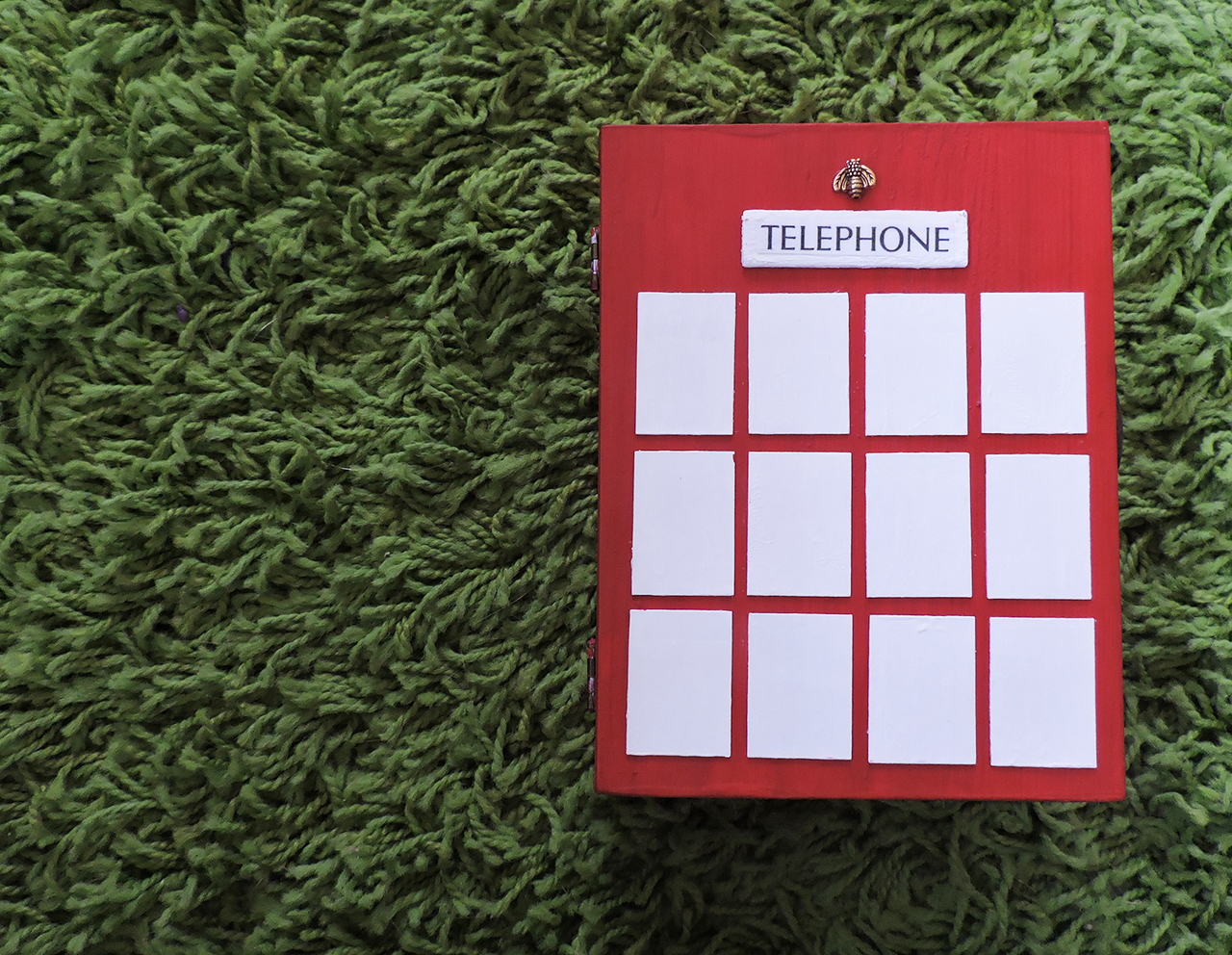

I was inspired by a DIY video to make this cell phone cubby for my phone. It hangs on the wall in my kitchen — ironically where the old corded landline used to hang. Before dinner, I put the phone on Airplane Mode and hide it away and out of reach. It’s not foolproof — I check it a few times before I go to bed — but it does keep me from going down the scrolling rabbit hole. Since I’ve been using the cubby, I notice I am more relaxed at the end of the day, I spend more time writing, reading, and making art, and I definitely get a better night’s sleep!
SOURCES:
The Effect of Cell Phones on Dopamine in the Brain, Momentous Institute, Ivette Lampl, M.S., LPC-S, LMFT-S, Experiential Group Therapy Program Manager
Dopamine and Adrenaline: The Dynamic Duo of Neurotransmitters, NeuroLaunch
Dopamine, Psychology Today
How to Tell If You Could Be Addicted to Your Phone, Rebecca Joy Stanborough, MFA
How to Make Your Own Dopamine Menu & Why It May Help Increase Happiness, Elizabeth Shaw, M.S., RDN, CPT, Eating Well
 Three Chairs Publishing
START A CONVERSATION. What do you think?